2016年11月8日 星期二

Top Algorithms and Methods Used by Data Scientists

The following table shows usage of different algorithms types: Supervised, Unsupervised, Meta, and other by Employment type.
Table 1: Algorithm usage by Employment Type 
Employment Type% VotersAvg Num Algorithms Used% Used Super-
vised
% Used Unsuper-
vised
% Used Meta% Used Other Methods
Industry59%8.494%81%55%83%
Government/Non-profit4.1%9.591%89%49%89%
Student16%8.194%76%47%77%
Academia12%7.295%81%44%77%
All8.394%82%48%81%

Table 2: Top 10 Algorithms + Deep Learning usage by Employment Type
AlgorithmIndustryGovernment/Non-profitAcademiaStudentAll
Regression71%63%51%64%67%
Clustering58%63%51%58%57%
Decision59%63%38%57%55%
Visualization55%71%28%47%49%
K-NN46%54%48%47%46%
PCA43%57%48%40%43%
Statistics47%49%37%36%43%
Random Forests40%40%29%36%38%
Time series42%54%26%24%37%
Text Mining36%40%33%38%36%
Deep Learning18%9%24%19%19%

2016年11月7日 星期一

Machine Learning: A Complete and Detailed Overview

The 10 Algorithms Machine Learning 
http://www.kdnuggets.com/2016/08/10-algorithms-machine-learning-engineers.html

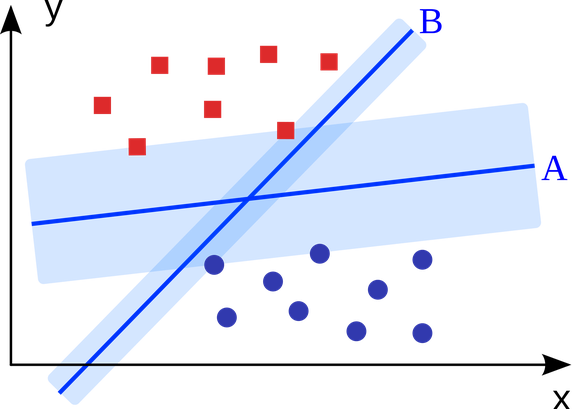
 Support Vector Machines
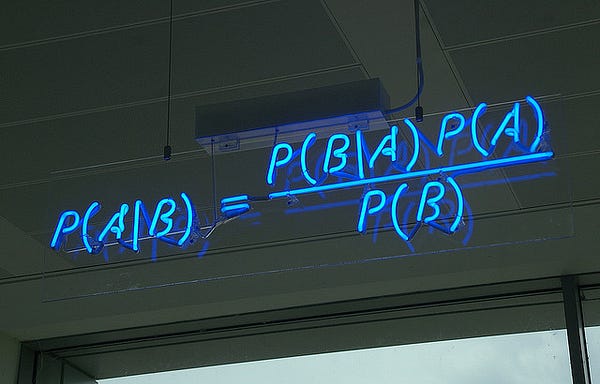
Naïve Bayes Classification


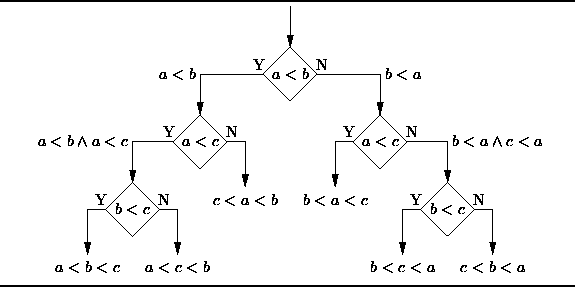
Decision Trees
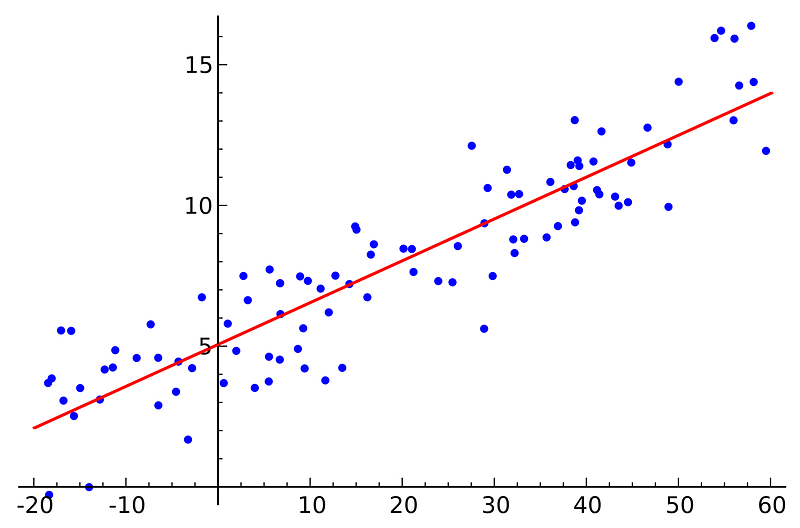
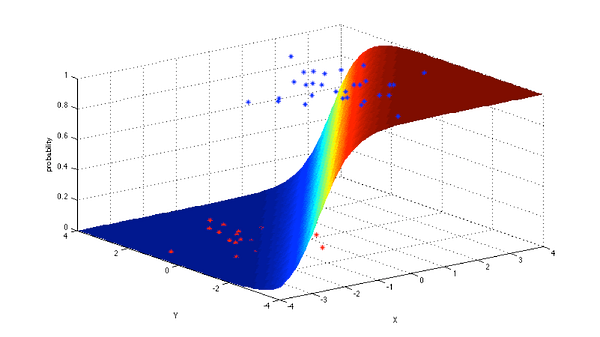
Ordinary Least Squares Regression
Logistic Regression
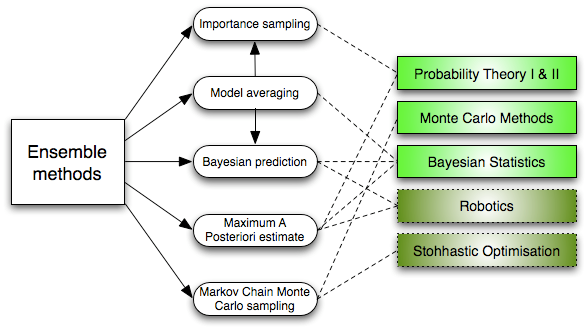
Ensemble Methods
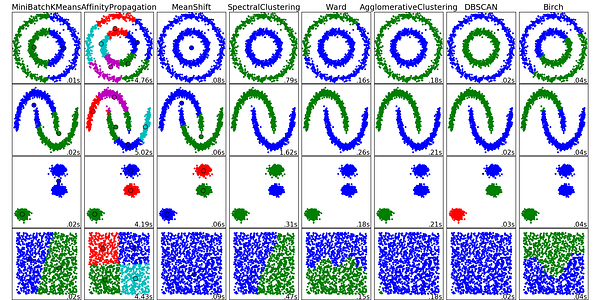
Clustering Algorithms
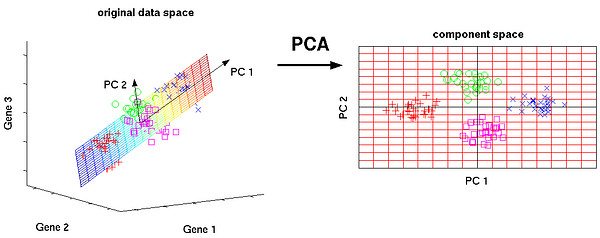
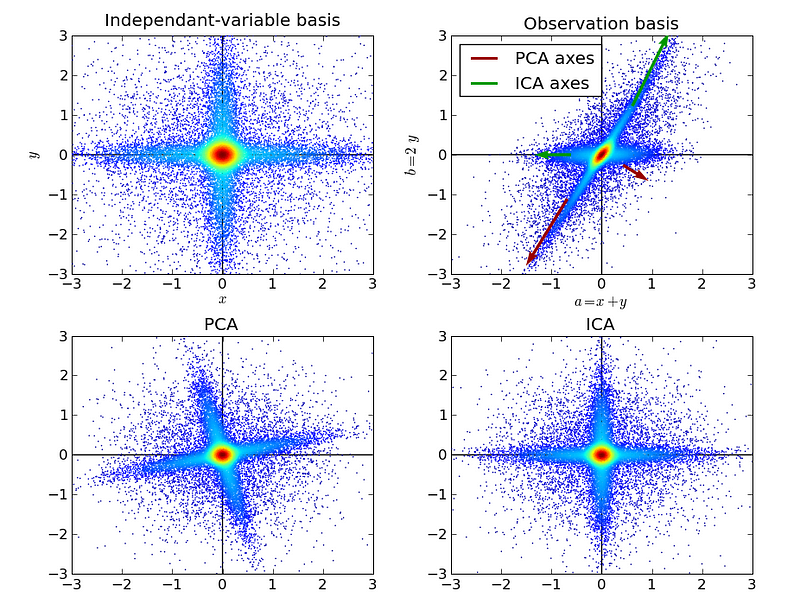
Principal Component Analysis
Independent Component Analysis
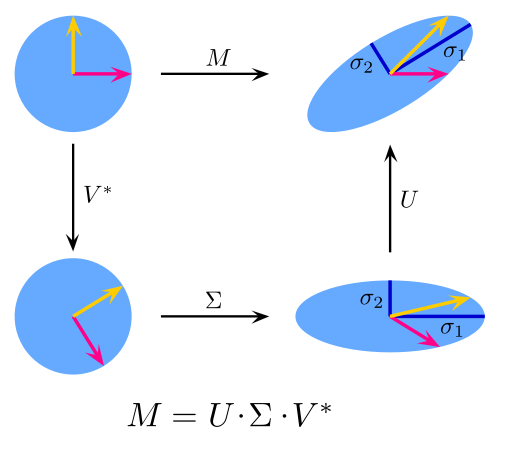
Singular Value Decomposition.


The cognitive platform

These cognitive services can be fueled by publically available web and social data, your own private information, or data you acquire from data partners or others. The APIs on this platform can be grouped into four categories:
  • Language: A set of APIs including, but not limited to, classifying natural language text, conversations, entity extraction, semantic concept extraction, document conversion, language translation, passage retrieval and ranking, relationship extraction, tone analysis, and so on.
  • Speech: A set of APIs for converting speech to text and text to speech, including the ability to train with your own language models.
  • Vision: APIs to find new insights, derive significant value, and take meaningful action from images.
  • Data Insights: Pre-enriched content (for example, news and blogs) with natural language processing to allow for highly targeted search and trend analysis.
Each of these APIs can perform a different task, and in combination they can be adapted to solve numerous business problems or create deeply engaging experiences. When you combine these cognitive services and overlay with (traditional) data analytics capabilities, it facilitates for complex discoveries, predictive insights, and engines to carry the decisions that are driven by the insights.
Graph showing unstructured data moving to knowledge

The Machine Learning Framework

An average data scientist deals with loads of data daily. Some say over 60-70% time is spent in data cleaning, munging and bringing data to a suitable format such that machine learning models can be applied on that data. This post focuses on the second part, i.e., applying machine learning models, including the preprocessing steps. The pipelines discussed in this post come as a result of over a hundred machine learning competitions that I’ve taken part in. It must be noted that the discussion here is very general but very useful and there can also be very complicated methods which exist and are practised by professionals.
Figure from: A. Thakur and A. Krohn-Grimberghe, AutoCompete: A Framework for Machine Learning Competitions, AutoML Workshop, International Conference on Machine Learning 2015.
http://blog.kaggle.com/2016/07/21/approaching-almost-any-machine-learning-problem-abhishek-thakur/

Architecture: Real-Time Stream Processing for IoT

This article describes the infrastructure to handle streams of data fed from millions of intelligent devices in the Internet of Things (IoT). The architecture for this type of real-time stream processing must deal with data import, processing, storage, and analysis of hundreds of millions of events per hour. The architecture below depicts just such a system.
Diagram
IoT Stream Processing Architecture

https://cloud.google.com/solutions/architecture/real-time-stream-processing-iot

Selecting the right chart for data visualization needs


Chart Selection - Data Visualization Needs
http://www.bigdataanalyticsguide.com/2016/07/25/selecting-right-chart-data-visualization-needs/

Data Science Automation For Big Data and IoT Environments

The purpose of data science is not only to do machine learning or statistical analysis, but also to derive insights out of the data that a user with no statistics knowledge can understand.
The half of data science that requires manual intervention is still to be automated. However, those are areas that involve the experience and wisdom of a people: a data scientist, a business expert, a software developer, a data integrator, everyone who currently contributes to making a data-science project operational. This makes it difficult to automate every aspect of data science. However, we can think of data science automation as a two level architecture, wherein:
– Different data science disciplines/components are automated
– All the individual automated components are interconnected to form a coherent data-science system
The required elements of an automated data science system
Figure 1. The required elements of an automated data science system.

Types of Bots: An Overview

Learn more about all the different varieties of bots, and what they can do for you http://botnerds.com/types-of-bots/ In this articl...